
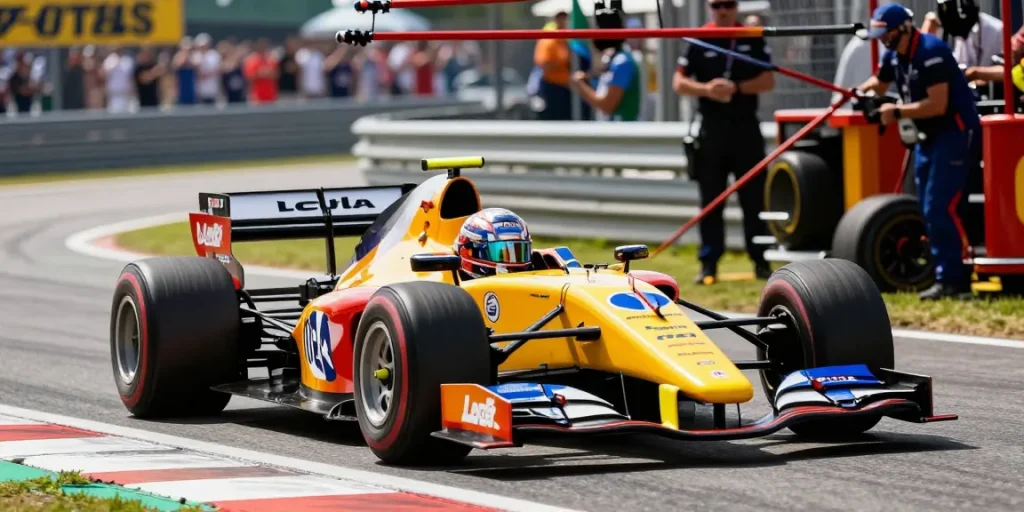
Understanding the Legacy of the LC88 in Formula One
The LC88, a remarkable entry into the history of Formula One racing, represents a fusion of innovative engineering and competitive spirit. Developed by Lola Cars for the Larrousse team, it competed in the late 1980s, a period marked by significant technological advancements and intense competition. Enthusiasts and experts alike recognize the LC88 not only for its design and performance but also for its role in shaping the trajectory of Formula One. As we delve into the intricacies of the LC88, we shall explore its historical performance, key features, and lasting influence on modern motorsport. For those looking to understand the broader implications of this racing marvel, LC88 resources provide comprehensive insights.
Historical Performance and Achievements of the LC88
Debuting in the 1988 Formula One season, the LC88 showcased Lola’s commitment to excellence. Competing in 15 races, the car demonstrated a range of technical capabilities, although not all outcomes met the team’s ambitious expectations. The combination of the naturally aspirated Cosworth DFZ engine and Lola’s chassis design resulted in a vehicle that was competitive but struggled against more established teams like McLaren and Ferrari.
One of the notable highlights of the LC88 was its performance in the 1988 season, where it managed to secure points under challenging circumstances. The car, driven by notable drivers such as Olivier Grouillard and Philippe Alliot, frequently positioned itself in the midfield, showcasing its potential. However, the lack of consistent upgrades compared to its rivals meant that it fell short of podium finishes. Nevertheless, the LC88’s participation in iconic races, such as the British Grand Prix, remains etched in the annals of motorsport history.
Key Features and Technical Specifications
The LC88 was characterized by several defining features that set it apart in the Formula One landscape. Its design incorporated a carbon-fiber monocoque chassis, which not only improved its aerodynamics but also contributed to a reduction in overall weight. The suspension system, featuring a double-wishbone setup, allowed for superior handling and adaptability on various circuit types. Additionally, the car’s engine, the Cosworth DFZ, was known for its reliability and power delivery, although it lacked the outright speed of some of its contemporaries.
- Chassis: Carbon-fiber monocoque
- Engine: Cosworth DFZ V8, 3.5L
- Transmission: 5-speed semi-automatic
- Aerodynamics: Improved airflow dynamics with a flat floor and rear wing design
These specifications contributed to the LC88’s respectable performance, highlighting Lola’s engineering prowess during a challenging period in Formula One.
Influence on Modern Formula One Design
The legacy of the LC88 extends beyond its immediate results, impacting subsequent Formula One designs significantly. Many modern cars owe their aerodynamic features and engineering principles to innovations introduced during the era of the LC88. The emphasis on lightweight materials and advanced aerodynamics paved the way for the development of more efficient racing cars.
Moreover, the LC88’s design philosophy foreshadowed the move towards hybrid technology and energy recovery systems that dominate today’s Formula One landscape. Engineers and designers frequently reference the LC88 as a pivotal case study in the evolution of car performance, demonstrating the balance between aerodynamics, power, and handling—a harmony that remains crucial in contemporary racing.
Analyzing Current Challenges in Formula Racing
As the world of Formula One evolves, teams face a myriad of challenges that test their strategies and capabilities. From shifting regulations to the integration of cutting-edge technology, understanding these challenges is vital for success in this highly competitive sport. Top-performing teams continuously analyze race data and adapt their strategies to navigate these complexities effectively.
Common Pitfalls in Racing Strategy
Despite the advancements in technology and data analysis, many teams still fall into common pitfalls that hinder performance. One of the most prevalent issues is underestimating the importance of tire management. Effective tire strategy can be the difference between a podium finish and a mid-field result. Misjudging tire wear or failing to adapt pit strategies in reaction to on-track conditions can lead to missed opportunities.
Additionally, over-reliance on technology can sometimes detract from the traditional skills of racecraft. Teams must strike a balance between leveraging data analytics and maintaining intuitive driving skills. This holistic approach is vital for adapting to ever-changing track conditions and competitor strategies.
The Impact of Technology on Race Performance
Technology continues to play a transformative role in Formula One racing. From real-time telemetry to advanced simulation software, teams now have access to an unprecedented amount of data. This information can inform everything from race strategy to car setup, allowing teams to optimize their performance continually.
However, while technology enhances capabilities, it also creates pressure to perform. Teams must ensure that their technical staff can interpret data accurately and implement changes swiftly during races. The ability to make real-time adjustments based on data analytics is a necessary skill in the current racing landscape.
Understanding Team Dynamics and Communication
The success of a team in Formula One often hinges on its internal dynamics. Effective communication between drivers, engineers, and strategists is crucial for executing race strategies flawlessly. Miscommunication can lead to critical errors, such as incorrect pit stops or improper setup adjustments.
As seen in successful teams, fostering a culture of collaboration and open dialogue enhances decision-making. Regular debriefs and simulations can prepare team members for the pressure of race day, ensuring that each individual’s expertise contributes to the collective goal of success.
Developing an Effective Racing Strategy for the LC88
For enthusiasts dedicated to optimizing the LC88’s performance, developing an effective racing strategy is essential. By focusing on key metrics and employing data-driven decision-making, teams can maximize the potential of this historical Formula One car.
Key Metrics to Monitor During Races
Successful racing strategies are built on a foundation of data analysis. Teams must monitor various metrics during races, such as tire temperature, fuel consumption, and lap times. Adjusting strategies based on these metrics can lead to improved performance and positioning on the track.
It’s important to maintain an adaptable strategy that can shift based on real-time data. For instance, if tire degradation is faster than expected, teams may need to reconsider their pit strategy, switching to a more aggressive set of tires to maintain speed.
Integrating Data Analysis into Decision-Making
Data analytics can significantly enhance racing strategies. By integrating real-time data from various sources, teams can make informed decisions that improve their competitive edge. Analyzing past race data can also identify trends that inform future races, such as tire strategies and pit timing.
Effective use of simulation tools allows teams to create models of race scenarios, providing insights into potential outcomes based on different decisions and conditions. This level of preparedness is essential in a sport where every second counts.
Case Studies: Successful LC88 Race Strategies
Examining past races featuring the LC88 can yield valuable insights into effective race strategies. In its debut at the British Grand Prix, for instance, the team opted for a conservative tire strategy, allowing them to finish in the points despite the fierce competition. Learning from such instances helps refine current practices and prepares the team for future events.
Additionally, analyzing competitors’ strategies provides a competitive advantage. Observing how rival teams adjusted their tactics in response to race conditions can reveal opportunities for improvement and innovation in the LC88’s approach.
Future Trends in Formula One and the LC88
The Formula One landscape is constantly evolving, with emerging technologies and regulations shaping the future of the sport. As we look ahead, it is vital for teams and car designs like the LC88 to adapt to these changes to remain competitive.
Emerging Technologies and Their Impact
Technological advancements, such as hybrid engines and advanced telemetry, are set to influence the performance and design of Formula One cars significantly. As these technologies become more prevalent, teams must incorporate them into their strategies to optimize performance. For the LC88, embracing aspects of hybrid technology could enhance its efficiency and competitiveness on the racetrack.
Predictions for Competitive Racing Changes by 2026
Looking towards 2026, the competitive landscape of Formula One is predicted to undergo significant transformations, driven by evolving regulations and technological advancements. With more stringent sustainability practices being implemented, the next generation of cars may lean heavily towards energy efficiency without compromising performance. This shift will challenge teams to innovate continuously, impacting their design philosophies and operational strategies.
How to Adapt the LC88 to Future Regulations
To ensure the LC88 remains relevant, teams must consider how to adapt it to meet evolving regulations and technological benchmarks. Modifications in aerodynamics and the integration of hybrid systems could increase the car’s performance while adhering to future rules. Such adaptations require a careful review of the LC88’s design elements and a willingness to innovate to maintain competitive relevance in the Formula One landscape.
Frequently Asked Questions about the LC88
What made the LC88 a standout in its racing era?
The LC88’s unique combination of design, engineering, and the challenges of its racing environment made it noteworthy. It represented a transitional phase in Formula One, moving from traditional designs to more innovative approaches that would define future cars.
How does the LC88 compare to other Formula One cars?
While the LC88 may not have secured the same level of success as some of its contemporaries, its engineering innovations have had a lasting impact. Its design principles laid the groundwork for modern Formula One technologies that prioritize aerodynamics, weight, and performance efficiency.
What strategies can enhance the performance of the LC88?
Optimizing tire strategies, leveraging data analytics for decision-making, and adapting dynamically during races are crucial strategies for enhancing the LC88’s performance. Continuous evaluation of race conditions and competitor strategies can also open doors for significant improvements.
What are the latest innovations in Formula One racing?
Recent innovations in Formula One include advancements in hybrid technology, data analytics tools, and improvements in aerodynamics. These developments are aimed at increasing efficiency and performance while adhering to sustainability goals.
How can teams better utilize technology for racing success?
Teams can enhance their racing success by adopting integrated technology systems that monitor, analyze, and execute race strategies in real-time. For more information, Tác Giả Nhã Đan offers valuable insights. Building robust IT infrastructure for data collection and analysis will enable teams to make informed decisions swiftly.