
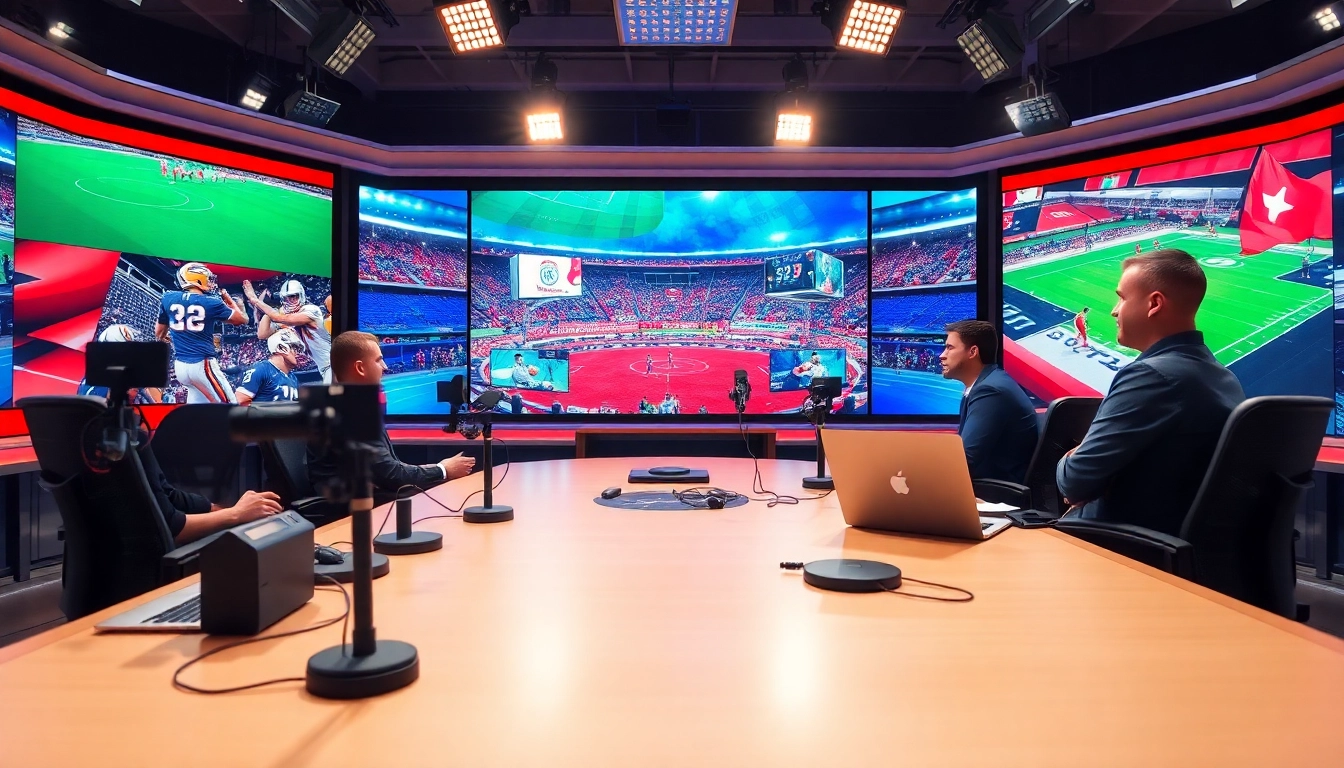
Understanding Sports Broadcasting Fundamentals
Sports broadcasting is a multifaceted field that plays a critical role in how fans consume their favorite sports. Over the years, it has evolved significantly, influenced by technological advancements and shifts in audience expectations. To gain a comprehensive understanding of this domain, it's essential to delve into its fundamental aspects. Whether you're a budding broadcaster, a sports enthusiast, or just curious about the logistics behind game-day coverage, grasping the basics is the first step.
At its core, Sports Broadcasting involves the transmission of sporting events via television, radio, or digital platforms, aiming to bring the excitement of live sports to millions of viewers worldwide. This article will explore the fundamental aspects of sports broadcasting, the technology transforming it, the art of content creation, the challenges facing the industry, and strategies to measure success.
The Role of Sports Broadcasting
Sports broadcasting serves a vital function in connecting fans with live events, delivering not just the action but also the accompanying stories and emotional highs of competition. Broadcasters act as intermediaries through which audiences experience the thrill of sports, regardless of geographical barriers. Beyond mere coverage, they enhance viewer engagement through analysis, commentary, and storytelling. Moreover, sports broadcasting generates revenue through advertising, sponsorship deals, and subscriptions, playing a crucial role in supporting athletes, teams, and leagues.
Key Terminology in Sports Broadcasting
Understanding sports broadcasting requires familiarity with specific terms that characterize the industry. Here are some key terms:
- Live Broadcast: Coverage of an event as it occurs in real-time.
- Play-by-play: The real-time commentary provided during a live event.
- Color Commentary: Analysis and insights shared during broadcasts that add depth to the viewing experience.
- Telecast: A televised broadcast of an event.
- Stream: The online transmission of sports content over the internet.
Types of Sports Broadcasting
Sports broadcasting can be classified into several categories, each offering unique perspectives and formats:
- Television Broadcasting: Traditional method utilizing cable and satellite networks, offering high-quality visuals and extensive viewer reach.
- Radio Broadcasting: Provides audio coverage of events, ideal for on-the-go listeners who enjoy sports commentary without visual elements.
- Online Streaming: Emerging as a popular option, allowing viewers to watch games on-demand or live, often through subscription services or free platforms.
- Social Media Broadcasting: Utilizing platforms like Facebook Live or Twitter to reach younger audiences, providing highlights and commentary.
Technology Transforming Sports Broadcasting
The evolution of technology has significantly transformed sports broadcasting, enhancing how content is created, delivered, and consumed.
Broadcasting Equipment Essentials
High-quality broadcasting relies upon specific equipment designed to capture and transmit live events:
- Cameras: Multi-angle high-definition cameras ensure every aspect of the event is captured.
- Audio Equipment: Microphones, both handheld and lapel, are critical for clear commentary and ambient sound capture.
- Switchers: Essential for controlling multiple input feeds from various cameras and sources during live broadcasts.
- Graphics Systems: Tools for integrating scoreboards, instant replays, and graphics into broadcasts.
Innovative Technology in Sports Broadcasting
Innovation continues to shape the landscape of sports broadcasting:
- Virtual Reality: Offers immersive experiences for fans, allowing them to feel as if they are at the game.
- Augmented Reality: Enhances live broadcasts by overlaying digital information onto real-world views, such as player statistics during the game.
- Cloud Computing: Streamlines media workflows and facilitates collaboration across teams, regardless of location.
- Mobile Broadcasting: Enables broadcasting from anywhere, leading to the rise of live coverage from remote locations via mobile devices.
Future Trends: AI and Sports Broadcasting
As artificial intelligence (AI) gains traction across sectors, its impact on sports broadcasting is profound:
- Automated Highlights: AI can analyze games in real-time to generate highlights, reducing the time needed for editors to compile footage.
- Personalized Content: AI algorithms can analyze viewer preferences to suggest tailored sports content, increasing viewer engagement.
- Enhanced Analytics: AI tools provide broadcasters with in-depth insights, empowering them to deliver richer analyses and commentary.
Creating Compelling Content in Sports Broadcasting
Content creation is the heart of sports broadcasting. Compelling storytelling and engagement strategies can redefine the viewing experience.
Storytelling Techniques in Sports
Broadcasters excel when they weave narratives that resonate with audiences. Here are some effective storytelling techniques:
- Character Development: Focusing on players’ backgrounds, challenges, and triumphs helps humanize the sport, making it relatable.
- Incorporating History: Contextualizing games with historical references enriches the audience’s understanding of rivalries and stakes.
- Utilizing Emotion: Capturing raw emotions during key moments enhances viewer connection to the game.
Engagement Strategies for Audiences
To maintain viewer interest, broadcasters must adopt diverse engagement strategies. Techniques include:
- Interactive Polls: Encouraging viewer participation through live polls during broadcasts establishes a connection.
- Behind-the-Scenes Content: Providing glimpses into locker rooms, player interviews, and team dynamics enhances audience investment.
- Access to Exclusive Content: Offering unique experiences, such as Q&A sessions with athletes, fosters community and loyalty.
Utilizing Social Media in Sports Broadcasting
Social media platforms have become indispensable in sports broadcasting, offering real-time engagement and interaction. Strategies include:
- Real-Time Updates: Posting live highlights and commentary enables fans to stay connected and informed.
- Creating Shareable Content: Engaging graphics and videos encourage fans to share, expanding the reach of broadcasts.
- Facilitating Discussions: Leveraging trending hashtags for discussions can keep audiences engaged long after games end.
Challenges in the Sports Broadcasting Industry
As with any industry, sports broadcasting faces unique challenges that require adaptable strategies to overcome.
Adapting to Changing Viewer Preferences
Today's viewers have diverse preferences influenced by access to on-demand content and evolving technology. Broadcasters must remain agile in response to these trends by:
- Emphasizing mobile-friendly content.
- Creating engaging short-form video content for platforms like TikTok and Instagram.
- Offering varied viewing options such as multi-angle camera feeds.
Regulatory Issues in Sports Broadcasting
The regulatory landscape can pose barriers for broadcasters. Key challenges include:
- Licensing restrictions for transmitting certain events.
- Compliance with advertising regulations, especially around gambling.
- Negotiating broadcasting rights in competitive markets.
Addressing Competition and Market Saturation
The sports broadcasting market is crowded with traditional networks and new streaming services competing for viewers. Strategies to combat saturation include:
- Differentiating offerings through exclusive content or unique partnership arrangements.
- Investing in high-quality production values to create remarkable viewing experiences.
- Expanding presences in underserved markets to capture new audiences.
Measuring Success in Sports Broadcasting
Measuring success in sports broadcasting involves analyzing various metrics to assess performance and refine strategies.
Key Performance Indicators for Broadcasters
Broadcasters track specific key performance indicators (KPIs) to gauge success:
- Viewership Numbers: Essential for understanding audience reach and growth patterns.
- Audience Demographics: Knowing the age, preferences, and engagement levels helps target content effectively.
- Advertising Revenue: A critical marker for financial health and the attractiveness of programming.
Analyzing Audience Engagement Data
Engagement analytics provide insights into how audiences interact with content. Techniques include:
- Social Media Metrics: Likes, shares, and comments provide feedback on viewer sentiment.
- Website Analytics: Tracking visits, bounce rates, and session durations helps optimize online content delivery.
- Feedback Surveys: Regularly soliciting audience opinions aids in identifying areas for improvement.
Adapting Strategies Based on Performance
Effective broadcasters use data insights to refine their approaches. Strategies include:
- Adjusting broadcasting times based on peak viewership.
- Experimenting with different content formats and styles.
- Implementing viewer feedback to enhance overall experiences.
Frequently Asked Questions
What is sports broadcasting?
Sports broadcasting refers to the transmission of live sporting events via television, radio, or online platforms, providing audiences with real-time coverage and analysis.
What technology is used in sports broadcasting?
Common technology includes high-definition cameras, audio equipment, graphics systems, and cloud computing for content delivery and collaboration.
How do broadcasters engage with audiences?
Engagement strategies include social media interaction, live polls during broadcasts, and behind-the-scenes content that adds value to the viewer experience.
What are the main challenges in sports broadcasting?
Main challenges include adapting to viewer preferences, navigating regulatory issues, and addressing market competition while maintaining quality content.
How is success measured in sports broadcasting?
Broadcasters measure success through viewership numbers, audience demographics, advertising revenue, and engagement analytics to gauge effectiveness and refine strategies.