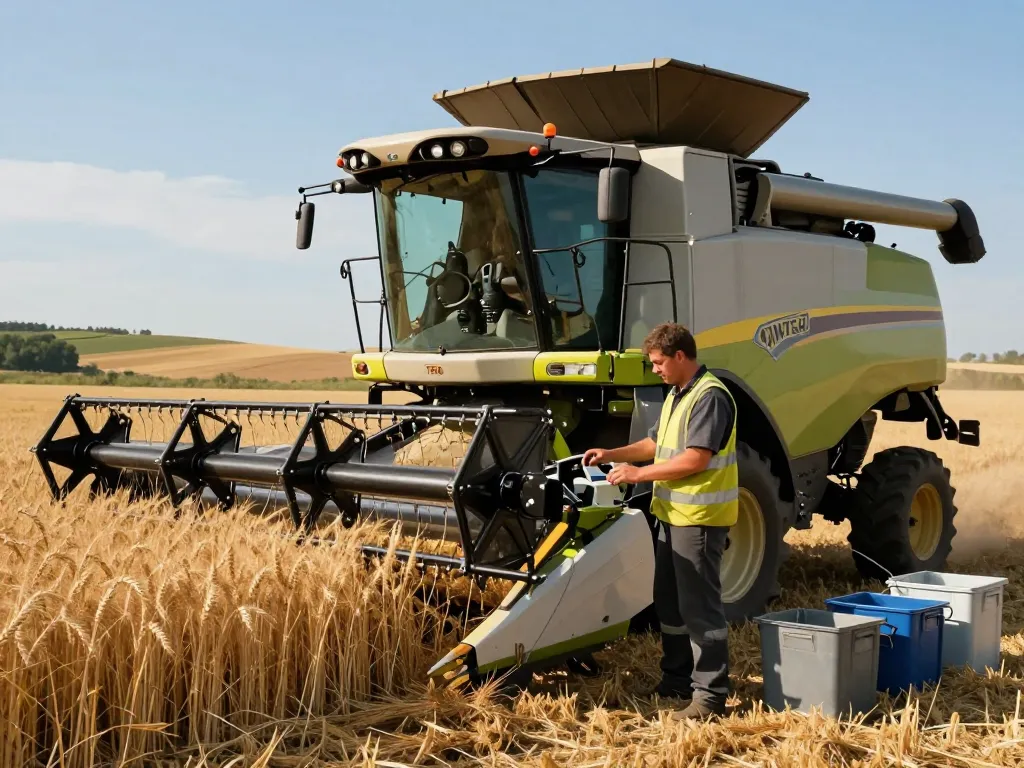
Understanding the TR88 Combine Harvester
The TR88 combine harvester is a notable piece of agricultural machinery that has gained recognition for its efficiency and reliability in modern farming. Developed by New Holland, this machine is specifically engineered to tackle the demanding requirements of harvesting various crops. With features designed to enhance performance, improve yield, and ensure ease of operation, the TR88 stands out as a cornerstone in contemporary agriculture. When exploring options, TR88 provides comprehensive insights that can assist farmers in making informed decisions about their harvesting equipment.
What is the TR88 and Its Features?
The TR88 is a twin rotor combine harvester that showcases advanced technology for efficient crop harvesting. It is equipped with a high-capacity grain tank, enabling it to handle larger volumes of crops without frequent stops for unloading. Key features of the TR88 include:
- Twin Rotor Design: This innovative design provides superior crop flow and reduces the risk of damage to the harvested grains.
- Improved Cleaning System: The TR88 features an enhanced cleaning mechanism that ensures cleaner grain output, increasing the overall quality of the harvested product.
- Adjustable Settings: Operators can easily adjust settings based on the specific crop type, maximizing efficiency during the harvest.
- Operator Comfort: The cabin is designed for operator comfort, with ergonomic controls and excellent visibility, which is crucial for long hours of operation.
Benefits of Using the TR88 in Modern Farming
The TR88 offers several benefits to farmers, emphasizing productivity and efficiency:
- Increased Productivity: With its powerful engine and efficient harvesting technology, the TR88 can significantly boost harvesting speeds, allowing farmers to cover more ground in less time.
- Cost-Efficiency: By maximizing harvest quality and minimizing losses during the process, the TR88 helps farmers save money on inputs and improve their profitability.
- Adaptability: This harvester can efficiently handle a range of crops, from grains to legumes, making it a versatile choice for diverse farming operations.
How the TR88 Enhances Harvest Efficiency
Efficiency is paramount in agriculture, especially during the harvest season when time is of the essence. The TR88 enhances harvest efficiency through:
- Real-Time Monitoring: The TR88 comes with advanced monitoring systems that provide real-time data on crop yield, moisture levels, and machine performance, allowing operators to make adjustments swiftly.
- Minimized Downtime: With high durability and easy maintenance, the TR88 reduces the likelihood of breakdowns, ensuring that harvest operations continue smoothly.
- Precision Engineering: Components are designed with precision to limit wastage and optimize performance, which is crucial in maximizing yield.
Optimizing Performance with the TR88
To fully harness the power of the TR88 combine harvester, understanding optimization techniques is vital for every operator. Proper maintenance and performance monitoring can significantly prolong the lifespan of the machinery.
Maintenance Tips for Longevity and Reliability
Regular maintenance is crucial to keep the TR88 operating at peak performance. Here are essential maintenance tips:
- Daily Inspections: Conduct thorough daily inspections before use, checking for any signs of wear or damage.
- Lubrication: Ensure all moving parts are adequately lubricated as per the manufacturer's recommendations to prevent wear and tear.
- Filter Replacements: Regularly replace air and fuel filters to maintain engine performance and longevity.
Performance Metrics: What to Measure?
Monitoring performance metrics is essential for optimizing the use of the TR88. Key metrics to track include:
- Harvest Speed: Measure the speed at which crops are being harvested to identify potential bottlenecks.
- Grain Loss: Assess the amount of grain lost during the harvesting process to make adjustments and enhance efficiency.
- Fuel Efficiency: Track fuel consumption to ensure the machine is operating efficiently and economically.
Common Issues & Troubleshooting for TR88 Operators
Every piece of machinery comes with its challenges. Operators should be aware of common issues that may arise with the TR88:
- Clogged Feeders: Clogs can occur, especially with wet or dense crops; regularly clean and clear feeders to maintain smooth operation.
- Electrical Problems: Be vigilant for electrical issues, such as faulty wiring or sensors that can disrupt harvesting operations.
- Hydraulic Leaks: Inspect hydraulic systems frequently for signs of leakage, as this can considerably affect performance.
Comparative Analysis: TR88 vs. Competitors
Understanding how the TR88 stacks up against its competitors is vital for making informed purchasing decisions. This analysis will focus on features, cost-effectiveness, and user reviews.
Key Features of Leading Harvesters in 2026
The agricultural machinery market is evolving rapidly, with numerous players entering the field. When comparing the TR88 to its competitors, consider the following features:
- Crop Yield Monitoring: Many modern harvesters now come equipped with sophisticated yield monitoring systems, similar to the TR88.
- GPS Technology: Some competitors integrate GPS technology for precision agriculture, allowing for more effective field management.
- Automation Features: Higher-end models are increasingly providing automated functions to simplify operation, a feature also found in the TR88.
Cost-Effectiveness: Is the TR88 Worth It?
Investing in a TR88 can be a strategic decision for many farmers. The cost-effectiveness of this model can be evaluated through:
- Initial Investment: The upfront cost of the TR88 when compared to its competitors shows it as a mid-range option, offering good value.
- Operating Costs: Analyze fuel efficiency and maintenance costs after purchase to measure long-term savings.
- Resale Value: The TR88 typically retains a good resale value, making it a sound investment for future upgrades.
User Reviews: TR88 vs. Competitor Models
User feedback is invaluable when considering equipment purchases. The TR88 generally receives positive reviews for:
- Performance: Many operators praise its robust performance in various crop conditions.
- Ease of Use: Users often highlight the intuitive controls and user-friendly design as significant benefits.
- Durability: The TR88 is frequently mentioned for its resilience and dependable construction compared to competitors.
Future Trends in Combine Harvesters
The future of agricultural technology suggests exciting developments on the horizon for combine harvesters like the TR88. Keeping abreast of these trends can help farmers stay competitive.
Technological Innovations Influencing Farming
Technological innovations are shaping modern agriculture, with several key advancements, including:
- Precision Agriculture: Emphasizing data-driven decisions, technology allows for more precise planting, crop management, and harvesting.
- Smart Machinery: The integration of AI and machine learning in harvesters is set to enhance automation and operational efficiency.
- Data Analytics: Advanced data analytics help track performance and yield, enabling farmers to optimize their farming strategies.
Predicted Developments in Harvesting Equipment
Industry experts predict several significant developments in harvesting equipment for the coming years:
- Increased Automation: More harvesters will adopt fully automated systems, allowing for minimal human intervention.
- Sustainability Focus: Manufacturers are increasingly considering environmental impacts, pushing for electric and hybrid harvesters.
- Advanced Robotics: Robotic technology may play a larger role, aiding in tasks ranging from seeding to harvesting.
The Role of Sustainability in Agricultural Machinery
As sustainability becomes a critical focus in all industries, agricultural machinery is adapting. Key aspects include:
- Eco-Friendly Engines: Manufacturers are working toward more fuel-efficient engines that produce lower emissions.
- Recyclable Materials: The use of recyclable materials in machinery production is increasing to minimize waste.
- Efficient Resource Use: Ongoing innovations aim to reduce water and resource use during the harvesting process.
Getting Started: Your First Steps with the TR88
For those new to operating the TR88, understanding the initial steps can make the learning process more manageable.
Preparing for Your First Harvest: A Step-by-Step Guide
Before heading out to the field with the TR88, follow these preparatory steps:
- Conduct Safety Checks: Ensure all safety mechanisms are functional and that you understand the controls.
- Familiarize with the Equipment: Spend time in the operator’s cabin to learn the controls and settings.
- Plan Your Harvest Approach: Determine a harvesting plan based on crop type and field conditions for increased efficiency.
Understanding Operator Safety and Regulations
Safety should be a priority when operating the TR88. Key considerations include:
- Wear Personal Protective Equipment (PPE): Always wear appropriate gear, including gloves, goggles, and hearing protection.
- Follow Local Regulations: Be aware of and adhere to local agricultural and machinery operation regulations.
- Emergency Procedures: Know emergency shutdown procedures and how to handle potential hazards on the farm.
Training Resources for New TR88 Operators
Training is essential for optimal use of the TR88. Resources available include:
- Manufacturer Training Programs: New Holland often provides training for new operators.
- Online Tutorials: Many platforms offer video tutorials that cover operating procedures and maintenance tips.
- Local Workshops: Check for local agricultural colleges or community workshops that focus on machinery operation and safety.
What is the typical lifespan of a TR88 combine harvester?
The average lifespan of a TR88 combine harvester is approximately 10-15 years, depending on maintenance and usage conditions. Regular servicing and care can help extend its operational life significantly.
How can I improve the yield with the TR88?
Improving yield with the TR88 can be achieved through proper calibration, timely harvesting, and maintaining optimal operating conditions. Each crop may require different settings; consulting the user manual can provide specific guidelines.
What are the best practices for TR88 maintenance?
Best practices for maintaining the TR88 include routine inspections, keeping the harvester clean, adhering to the service schedule, and ensuring all parts are functioning correctly. Regularly checking the hydraulic system and engine oil levels is also recommended.
Where can I find replacement parts for the TR88?
Replacement parts for the TR88 are commonly available through authorized New Holland dealers, online agricultural machinery parts suppliers, or at local agricultural fairs where machinery vendors may sell them.
How does the TR88 compare to other models in its price range?
The TR88 holds a competitive edge in terms of features and efficiency when compared to other models in the same price range, often delivering better fuel efficiency and higher user satisfaction ratings.. Additionally, Trang Chủ TR88 provides further details.